How to Find a Gift That Sparks Conversation, Not Just Another Gadget
We’ve all been there. You walk into a store—or worse, click through an endless stream of online recommendations—and you are faced with the overwhelming pressure of finding "the perfect gift." Your goal isn't just to solve the problem of having a present; it's to create a moment, a memory, or even a witty anecdote for the recipient to share later. Unfortunately, many gifts fall into the treacherous category of "another gadget"—items that are useful perhaps, but utterly forgettable. They join the digital landfill alongside half-used charging cables and novelty mugs nobody ever uses again.
If you’ve ever felt like your gift choices were landing with a dull thud instead of a resounding applause, take a deep breath. You aren't alone. The modern gifting dilemma requires us to shift our perspective from utility to interaction. Truly thoughtful gifts act as catalysts; they don’t just sit on a shelf. They spark conversation, and that is the gold standard in gifting psychology.
Understanding the Psychology of Thoughtful Gifting
Before diving into specific product ideas, we must understand what makes a gift truly memorable. Most people default to giving things because it feels safe—a gift card, a predictable bestseller, or another piece of technology they think the person needs. But safety is the enemy of brilliance. The best gifts are those that require a moment of pause and thought from both giver and receiver. They force a narrative.
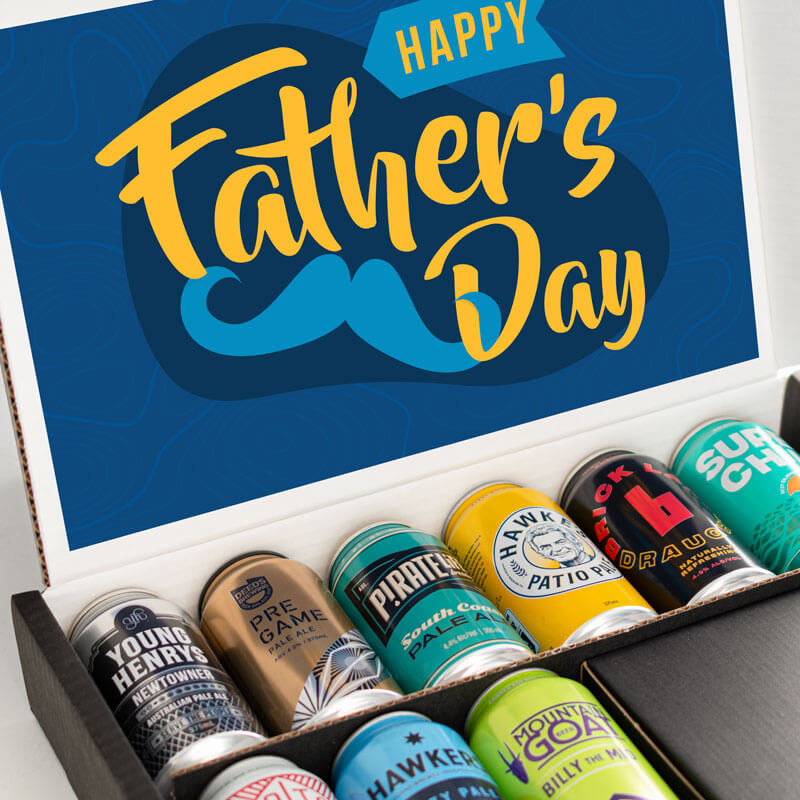
Think about the last great conversation you had with someone. Chances are, it wasn't sparked by an object; it was sparked by a shared experience, a unique story, or a piece of unexpected knowledge. Great gifting mirrors this principle: we need a gift that sparks conversation, not just another gadget. We need to give gifts that are conversational prompts.
Why is this so challenging? Because culture often equates monetary value with emotional depth. It feels wrong to spend time researching an experience when you could buy the recipient something shiny and new. But remember, true value is rarely measured in dollars; it’s measured in connection. Are we giving Visit this website objects, or are we giving invitations to shared moments?
Curating Conversational Artifacts: Gifts with a Story
If pure experiences feel too abstract (though they often work!), there are physical items that carry the weight of a story. These aren't just pretty; they invite explanation. They make the recipient say, "Oh, where did you get this?"—and that question is your win.
Consider these categories for gifts designed to be talked about:
- Curated Kits: Forget the random assortment from an online box. Instead, create a themed kit based on their niche interests (e.g., a mix of rare tea blends, specific reading glasses, and poetry books related to local folklore). The thoughtfulness of the curation is what sparks conversation.
- Art with Interaction: Look for pieces that are partially finished or require assembly—like an advanced puzzle box, a unique terrarium kit, or abstract art that comes with interpretive suggestions. This engages their mind and becomes a talking point long after the wrapping paper is gone.
- Hyper-Specific Goods: Instead of buying "coffee supplies," buy equipment perfect for one specific brewing method (e.g., a rare Japanese pour-over set). The level of detail shows you were listening, which is far more valuable than any generic suggestion.
The goal here isn't to find the most expensive item; it’s to find the item that makes the recipient pause and say, "You really get me."
The Power of Shared Experiences Over Stuff
If your budget allows, nothing beats an experience. A gift certificate for a spa day is nice, but a planned outing—a ticket to a specific niche lecture, a cooking class focused on a challenging cuisine, or tickets to an experimental theater performance—is gold. These gifts don't just sit there; they demand participation.
One friend of mine once received a beautiful, overly complicated gadget that did three things poorly. He spent the whole afternoon trying to figure it out, and by dinnertime, he was utterly defeated. It reminded me that sometimes, less is more, especially when "less" means doing something together rather than owning something forever.
When you are shopping for an experience, think about the journey, not the destination. If you give someone a gift that requires them to spend time and effort with you—whether it's baking together or hiking a new trail—you are giving them memories in the making. The great writer Ralph Waldo Emerson once said, "The only way to make sense out of change is to embrace it." Gifting an experience is embracing shared change!
Elevating Thoughtfulness: Focusing on Personal Narrative
If you feel overwhelmed by where to start, remember that the best gifts are those that act as anchors to a personal narrative. They remind the recipient of inside jokes, shared history, or unique moments only the two of you share. This brings us back to the core challenge: how do we find a gift that sparks conversation, not just another gadget?
It requires digging deep into your knowledge of the person. Do they always mention wanting to learn a new language? Get them a really beautiful journal and an introductory phrasebook—not for travel, but for practicing at home. Are they obsessed with a specific historical period? Find a beautifully illustrated book on it.
These subtle acts of research are what transform a transaction into an act of genuine care. If you want to avoid buying another gadget, focus instead on curation and context. This approach means that the gift itself is merely the prop for a much better story. It’s knowing exactly which obscure, beautiful item will trigger their passions—it's like hitting the precise right chord on a piano key they didn't know was there.
Crafting Lasting Impressions Beyond the Wrapping Paper
So, how do you move past the predictable and give something truly meaningful? The key is to shift your mindset from "what should I buy?" to "what story do I want this gift to tell?"
If you struggle with finding a physical item, consider these actionable strategies:

- The Curator's Approach: Instead of buying one thing, assemble three related items that guide them toward an activity.
- The Documentation Gift: Buy high-quality photo books or scrapbooking materials and pre-populate them with mementos from your time together. This physical act forces reflection and conversation about shared history.
- Localized Discovery: Seek out gifts only available in your specific town—a local artist's print, a specialty food item from a regional farm. These items carry the unique flavor of place, making them inherently conversational.
Ultimately, when you need a gift that sparks conversation, not just another gadget, you are no longer shopping; you are designing an interaction. You are giving permission for joy and dialogue to occur around your thoughtful selection. By focusing on prompts rather than possessions, you ensure the memory—and the resulting conversations—will far outlast the shine of any new device.
Becoming a Master of Intentional Gifting Moments
To truly master the art of gifting, view the process not Coffee Gift Set as an expense, but as research. The more deeply you understand your recipient's passions, their frustrations, and their secret joys, the easier it becomes to pick something that resonates. Next time gift-shopping, remember: you are selecting a wonderful catalyst for moments, not just adding another item to someone’s collection. Start listening not with your ears alone, but with your entire heart.